
Mid-Size Agencies Are Disappearing by 2030. Now What?
Why the rise of small, senior-led shops is reshaping the next era of agency creativity
09
Dec
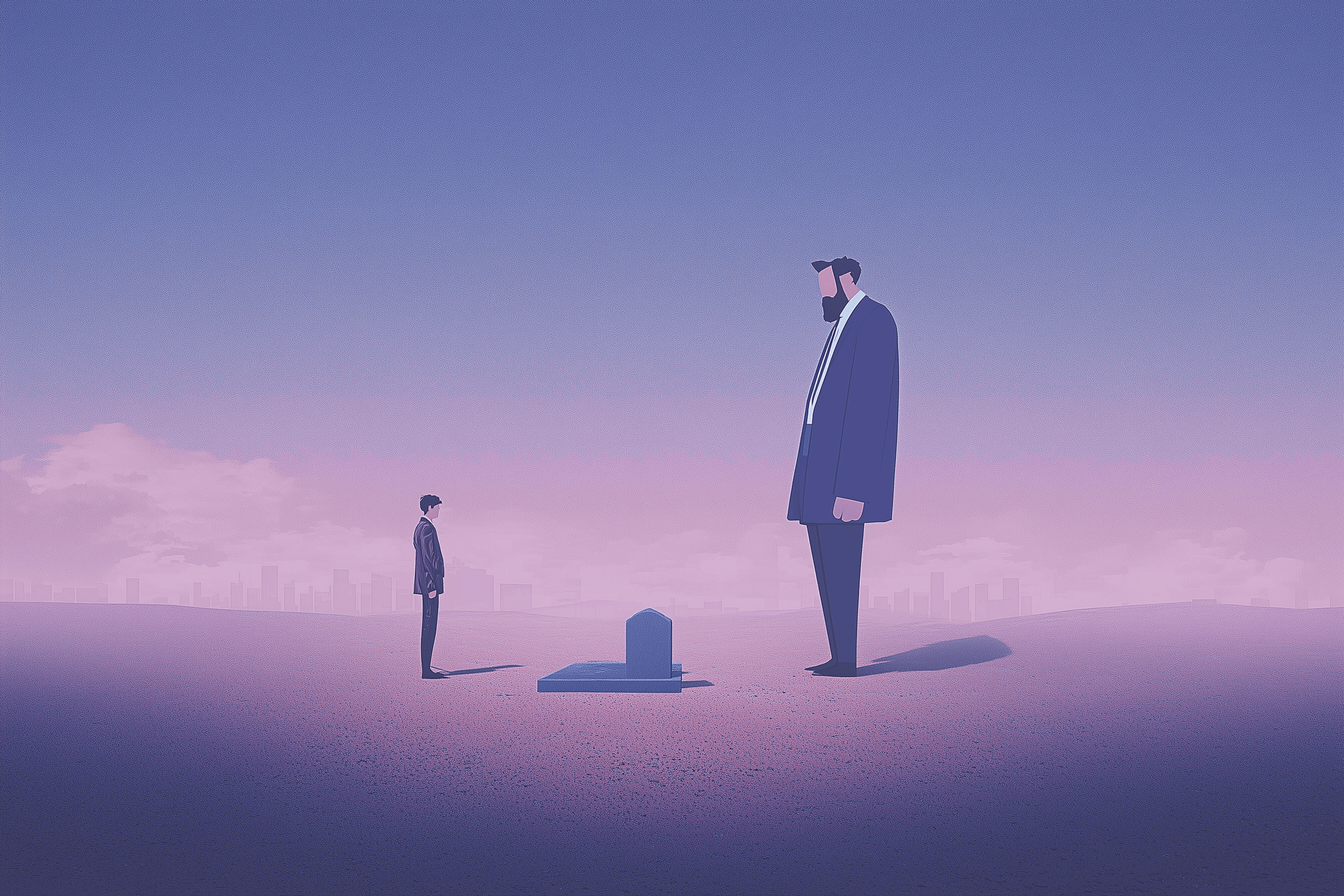

When I listened to Parker Herren’s conversation with Brian Bonilla on Ad Age’s Future of Advertising 2030, one line hit me squarely in the chest. Bonilla suggested that the mid-size agency model (200-400 people) may largely disappear by 2030. Not evolve. Not adapt. Disappear. And as nihilistic as that may sound, I didn’t feel dread—I felt curiosity, maybe even optimism. Because the story underneath the prediction isn’t really about loss. It’s about redistribution. Creativity isn’t evaporating. It’s relocating.
Small, independent agencies—often led by people who grew up in the big networks—are stepping into the gap with sharper thinking, leaner structures, and an intimacy big agencies can’t fake. For mid-size brands, that combination is gold. They suddenly have access to the caliber of creative leadership once reserved for enterprise budgets, and they’re getting it without the bureaucratic tax. In a way, the disappearance of the middle is enabling a surge of creativity where it’s been historically underserved.
The middle is collapsing, but the work is getting better
Mid-size agencies are stuck in the least forgiving territory. Too big to be nimble. Too small to compete with the full force of a holding company. So as Bonilla pointed out, they’re moving toward mergers, consolidation, and private equity absorption. Meanwhile, the indie shops are not just surviving—they’re competing directly with both extremes. And winning.
This isn’t fragmentation. It’s correction. When senior talent becomes accessible without a 5,000-person infrastructure behind it, clients get work with more clarity, more originality, and fewer layers sanded off along the way. It’s no coincidence we’re seeing more brave ideas come from small rooms.
The real evolution isn’t headcount, it’s creative savvy
Ewan Larkin’s take in the same conversation echoed something many of us have been quietly feeling: "AI will commoditize execution. Full stop." The value of an agency—any agency—will sit squarely in strategic intelligence, outsider perspective, and the ability to make sense of a landscape shifting under everyone’s feet.
This is where the future splits. Some agencies will treat AI as an efficiency engine. Others will treat it as an idea engine. And the clients will feel the difference instantly.
Tools should give us the power to bring bolder, richer, more dimensional ideas to market—ideas mid-size agencies might never have had the time or resources to explore before. The agencies that thrive will be the ones who pair human imagination with technological leverage, not replace one with the other.
But here’s the nuance I wish the industry would internalize:
Tools should buy us time, not mediocrity
We’re saving hours, days, sometimes weeks with AI and automation. And too often, the immediate reaction is to compress timelines and shrink budgets. But craft doesn’t accelerate on command. Emotional intelligence doesn’t rush—and this dynamic is exactly where smaller agencies can shine, using the time reclaimed through tools to elevate both the quality of deliverables and the effectiveness of strategy. And one thing is for sure, resonance doesn’t happen because we fit the creative process into a tighter hole.
The time we save shouldn’t evaporate. It should reinvest. Into the story. Into the brand. Into the uniquely human and incredibly imaginative morsels that linger in people’s minds instead of scrolling past them.
We don’t need more content faster. We need better work with more soul.
Where we go from here
By 2030, the agencies that endure will be the ones that embrace three truths Parker’s panel made impossible to ignore.
Creative and media can no longer exist in separate rooms.
Consulting-level thinking will matter as much as execution.
And AI will reward the agencies that use it to deepen craft, not dilute it.
The rise of small senior-led shops is not a trend. It’s a recalibration. A return to creative intimacy supported by modern tools and modern expectations. And for brands, it opens a pathway to better work without the weight of outdated models.
At Mystical, this is where we’ve put a stake in the ground. We lean into the shift. We use the tools. And we give creativity the time it needs to matter. If you’re rethinking your agency model for 2030, let’s explore the future before it arrives at your doorstep.
